
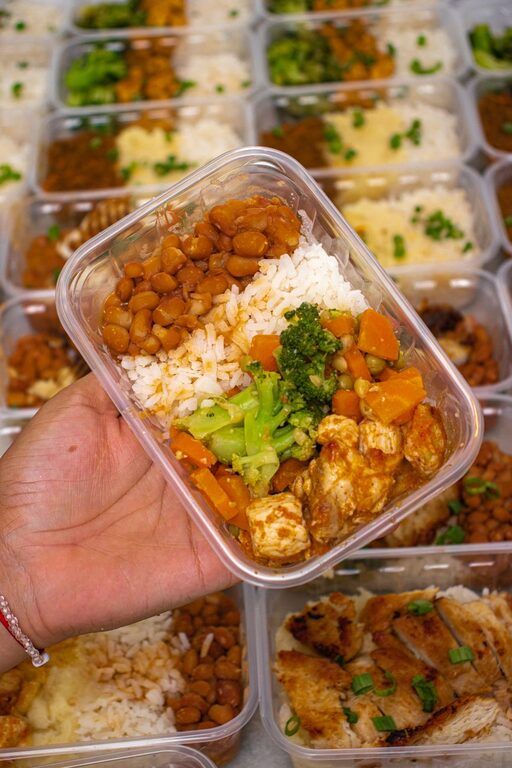
Planning balanced meals can feel overwhelming, especially when juggling a busy schedule. But creating nutritious and enjoyable meals doesn’t have to cause stress. With a little preparation and simple strategies, you can nourish your body and enjoy the process of cooking. This guide will help you plan balanced meals without the hassle.
What Is a Balanced Meal?
A balanced meal includes a variety of foods that provide essential nutrients your body needs to function well. Typically, a balanced plate contains:
– Protein: Supports muscle repair and growth (e.g., chicken, beans, tofu).
– Vegetables and Fruits: Add vitamins, minerals, and fiber.
– Whole Grains: Provide energy and fiber (e.g., brown rice, quinoa, whole wheat bread).
– Healthy Fats: Essential for brain health and absorption of vitamins (e.g., olive oil, nuts, avocado).
Why Plan Meals?
Planning meals ahead can:
– Save time and reduce stress during busy days.
– Help you eat a variety of nutritious foods.
– Prevent last-minute unhealthy choices.
– Make grocery shopping more efficient.
Steps to Plan Balanced Meals Without Stress
1. Start with a Simple Weekly Template
Create a basic framework for your meals—such as three meals and two snacks per day—that you can fill with different foods each week. For example:
| Meal | Protein | Vegetables | Grains | Healthy Fats |
|————-|—————–|——————|——————–|——————-|
| Breakfast | Eggs or yogurt | Spinach or fruit | Whole grain toast | Nut butter |
| Lunch | Chicken or beans| Mixed salad | Quinoa or brown rice| Olive oil dressing|
| Dinner | Fish or tofu | Roasted veggies | Sweet potato | Avocado slices |
Having a template helps keep your meals balanced and varied.
2. Choose Simple, Versatile Ingredients
Select ingredients that can be used in multiple meals. For example, grilled chicken can be added to salads, wraps, or served with grains and veggies. This reduces decision fatigue and waste.
3. Batch Cook and Prep Ahead
Set aside time once or twice a week to prepare ingredients in advance:
– Cook grains in bulk.
– Wash and chop veggies.
– Prepare proteins like roasted chicken or boiled eggs.
Having ready-to-use components makes meal assembly quicker and easier.
4. Use Easy Meal Planning Tools
Try apps, printable planners, or simple notebooks to map out your meals. Seeing your plan visually can reduce stress and help you stick to your goals.
5. Keep Recipes Simple
Look for recipes with fewer ingredients and straightforward steps. Simple meals like stir-fries, sheet pan dinners, or hearty salads are nutritious and easy to customize.
6. Listen to Your Body’s Hunger and Preferences
Balanced eating doesn’t mean strict rules. Tune into your hunger cues and enjoy foods you like. Flexibility is key to avoiding frustration.
Creating a Balanced Grocery List
Once you have your meal plan, create a grocery list organized by category:
– Proteins: chicken breasts, canned beans, eggs, tofu
– Vegetables: bell peppers, spinach, carrots, broccoli
– Fruits: apples, bananas, berries
– Grains: brown rice, whole wheat pasta, oats
– Healthy Fats: olive oil, nuts, avocado
Organizing your list this way saves time at the store and ensures you have all the essentials.
Tips for Eating Balanced Meals When Dining Out or on the Go
– Choose dishes with a protein source, vegetables, and a whole grain if possible.
– Ask for dressings or sauces on the side to control added fats and sugars.
– Pack healthy snacks like nuts, fruit, or yogurt to avoid vending machine temptations.
Sample Stress-Free Balanced Meal Plan
| Day | Breakfast | Lunch | Dinner | Snack |
|———–|————————–|——————————|——————————|———————–|
| Monday | Greek yogurt with berries| Turkey wrap with veggies | Baked salmon, quinoa, broccoli| Apple and almonds |
| Tuesday | Oatmeal with banana | Chickpea salad | Stir-fry tofu with brown rice | Carrot sticks & hummus|
| Wednesday | Scrambled eggs with spinach| Lentil soup and whole-wheat bread | Grilled chicken, sweet potato, green beans | Greek yogurt |
Adjust portion sizes and ingredients to your needs and preferences.
Final Thoughts
Planning balanced meals without stress is achievable with a little organization and mindful choices. Start with simple steps, focus on variety, and allow yourself flexibility. Over time, meal planning will become second nature, helping you maintain a nutritious and enjoyable diet.
Remember, the goal is to nourish your body in a way that fits your lifestyle comfortably and sustainably. Happy meal planning!