
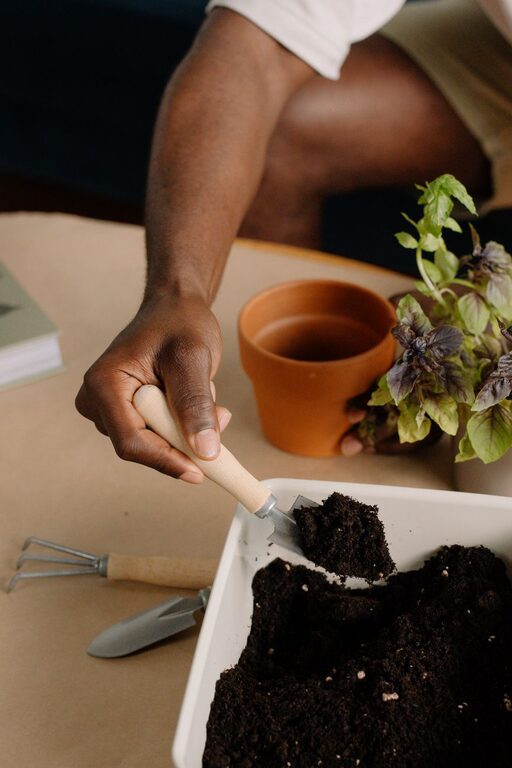
Growing a small herb garden indoors is a rewarding and practical way to enjoy fresh herbs all year round. Whether you have a spacious kitchen windowsill or just a sunny corner, growing your own herbs can enhance your cooking, improve air quality, and add a touch of nature to your home. In this guide, we’ll walk you through everything you need to know to start a small indoor herb garden successfully.
Why Grow Herbs Indoors?
Indoor herb gardens offer several benefits:
– Freshness: Harvest herbs right when you need them for the best flavor.
– Convenience: Easy access when cooking.
– Aroma: Many herbs release pleasant scents.
– Learning: A fun way to learn about plants and gardening.
– Decoration: Adds greenery and life to your living space.
Choosing the Right Herbs for Indoor Growing
Not all herbs are equally suited to indoor environments. Some prefer full outdoor sun and more space. Here are some easy and popular herbs for indoor gardens:
– Basil: Loves warm temperatures and bright light.
– Parsley: Adaptable and can tolerate lower light.
– Chives: Great for small pots and mild lighting.
– Mint: Grows quickly but can be invasive; better in its own pot.
– Thyme: Prefers bright light and well-draining soil.
– Oregano: Needs plenty of sun and moderate watering.
– Cilantro: Requires cooler temperatures and good light.
Start with 2 or 3 herbs you use often to keep your garden manageable.
Selecting Containers and Soil
Containers
Choose containers with good drainage to avoid waterlogged roots. Options include:
– Small pots with drainage holes
– Herb garden kits with compartments
– Recycled containers with holes added (like tin cans or jars, with care)
Using lightweight pots makes moving your herbs easier as you adjust to sunlight needs.
Soil
Use a high-quality, well-draining potting mix formulated for indoor plants. Avoid garden soil, which may be too heavy and contain pests. A mix designed for herbs or vegetables works best.
Finding the Perfect Spot for Your Herb Garden
Most herbs need 6-8 hours of sunlight daily to thrive. A south- or southwest-facing window is typically ideal in the Northern Hemisphere. If natural light is limited, consider these options:
– Grow Lights: LED or fluorescent grow lights provide the spectrum herbs need.
– Rotating Plants: Move pots regularly to maximize light exposure.
– Supplemental Lighting: Use a timer to ensure consistent lighting.
Avoid very hot windows in summer, as excessive heat can stress plants.
Planting Your Indoor Herbs
Starting From Seeds
– Follow seed packet directions for planting depth and spacing.
– Use seed-starting trays or small pots with moist soil.
– Keep soil damp but not soggy.
– Seeds can take 1-3 weeks to germinate depending on the herb.
Using Starter Plants
– Purchase young herb plants from local nurseries.
– Transplant carefully to your chosen pots.
– Water thoroughly after transplanting.
– Check for pests before bringing plants indoors.
Care Tips for Thriving Indoor Herbs
Watering
– Check soil moisture regularly.
– Water when the top inch of soil feels dry.
– Avoid overwatering as it causes root rot.
– Use a pot with drainage to let excess water escape.
Feeding
– Feed herbs with a balanced liquid fertilizer every 3-4 weeks during the growing season.
– Avoid over-fertilizing as it can reduce flavor intensity.
Pruning and Harvesting
– Regularly pinch or cut herb stems to encourage bushier growth.
– Harvest leaves from the top, leaving some so the plant continues growing.
– Remove yellowing or dead leaves promptly.
Air Circulation
– Good airflow helps prevent mold and pests.
– Avoid placing herbs in drafty spots.
Troubleshooting Common Problems
– Yellow leaves: Often caused by overwatering or lack of nutrients.
– Leggy growth: A sign of insufficient light; move plants closer to light.
– Pest infestations: Look for small insects like aphids or spider mites and treat with mild insecticidal soap.
– Wilting: Usually from underwatering or root issues.
Additional Tips for Success
– Rotate pots weekly for even growth.
– Label your herbs to avoid confusion.
– Use clean tools to prune and harvest.
– Experiment with herb blends and companion planting.
Conclusion
Starting a small indoor herb garden is easy and enjoyable with the right approach. By selecting suitable herbs, providing proper light and care, and maintaining your plants regularly, you can enjoy fresh flavors and the beauty of greenery all year long. With a little patience and attention, your indoor herb garden will flourish and become a valued part of your home.
Happy gardening!