
Creating a relaxing home workspace is essential for staying productive and maintaining well-being, especially as more people work from home. A cluttered, noisy, or uninspiring environment can increase stress levels and make it difficult to focus. Thankfully, with a few thoughtful adjustments, you can transform any space into a calm and inviting area that supports your work.
In this article, we’ll explore practical steps to help you design a workspace that feels both comfortable and efficient. Whether you have a dedicated room or just a small corner, these tips will guide you to create a more relaxing home office.
Choose the Right Location
The first step in building a relaxing workspace is selecting the right spot. Ideally, pick a quiet area of your home that receives plenty of natural light. Natural light improves mood and energy, making it easier to concentrate.
If space is limited, try to find a corner away from household distractions. Avoid placing your desk directly facing a noisy appliance or busy hallway. If noise is unavoidable, consider soundproofing options like rugs, curtains, or white noise machines.
Invest in Comfortable Furniture
Comfort is key in a workspace where you’ll spend several hours a day. Invest in an ergonomic chair that supports your back and encourages good posture. Adjustable chairs allow you to customize height and angle for maximum comfort.
Your desk should be at a height where your arms rest comfortably while typing, reducing strain on your wrists and shoulders. If a large desk isn’t an option, a simple table with enough surface space for your essentials will do.
Keep It Organized
A clutter-free environment contributes greatly to relaxation and focus. Use organizers like trays, file holders, or drawer dividers to keep papers and office supplies neatly stored.
Consider setting up a system for incoming and outgoing paperwork to avoid piles accumulating. Regularly declutter your workspace to maintain a clean and inviting area.
Add Natural Elements
Incorporating elements from nature helps create a calming atmosphere. Houseplants not only add greenery but also improve air quality. Choose low-maintenance plants such as succulents, snake plants, or pothos.
If plants aren’t your thing, natural materials like wooden desk accessories or stone paperweights can have a similar soothing effect. Additionally, open a window if possible to let in fresh air.
Use Soothing Colors and Decor
Colors have a strong impact on mood. Soft, muted tones like light blues, greens, or neutrals tend to promote calmness. Avoid overly bright or distracting colors in your workspace.
Personalize your space with minimal decor that inspires you, such as artwork, motivational quotes, or photos. However, be mindful not to overcrowd surfaces, as this can increase visual distraction.
Control Lighting
Proper lighting is crucial for reducing eye strain and maintaining energy levels. Position your desk near a window to maximize natural light during the day.
For evening work, use adjustable desk lamps with warm light rather than harsh overhead fluorescents. Consider smart bulbs that let you change brightness and color temperature depending on the time of day.
Minimize Distractions
A relaxing workspace should minimize interruptions. Turn off notifications on your phone or computer during focused work periods.
Use noise-cancelling headphones or play gentle background music if ambient noise is distracting. Create boundaries with family members or roommates so they understand your work hours.
Incorporate Relaxation Breaks
Even in a dedicated workspace, it’s important to take regular breaks. Set a timer to remind yourself to stand, stretch, or walk around every hour.
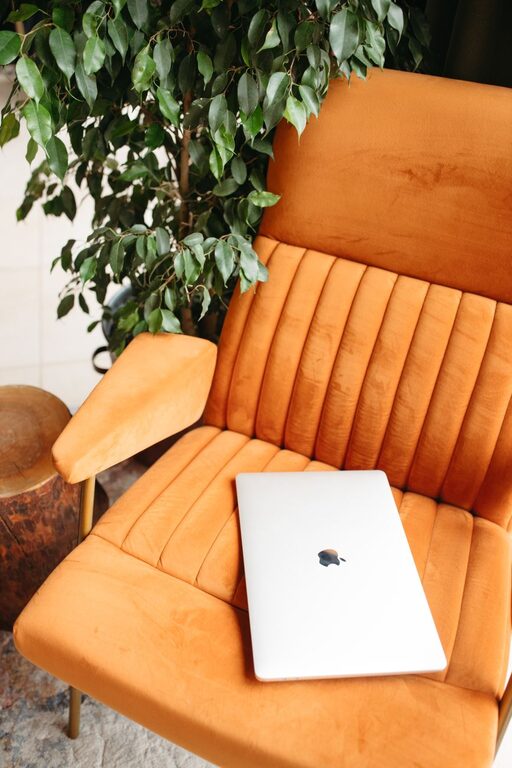
Having a small area for relaxation nearby — such as a comfy chair or meditation cushion — encourages moments of calm when you need to reset.
Use Technology Mindfully
Technology is essential for most home workspaces, but it can also add stress if not managed well. Keep only the necessary devices at your desk to avoid clutter.
Organize cables with clips or sleeves to prevent tangling. Adjust screen brightness and use blue light filters especially for late hours.
—
By following these tips, you can create a relaxing home workspace that supports both your productivity and peace of mind. The key is to design a space that suits your personal preferences, reduces distractions, and promotes comfort. With a little effort, your home office can become a place you look forward to working in every day.