
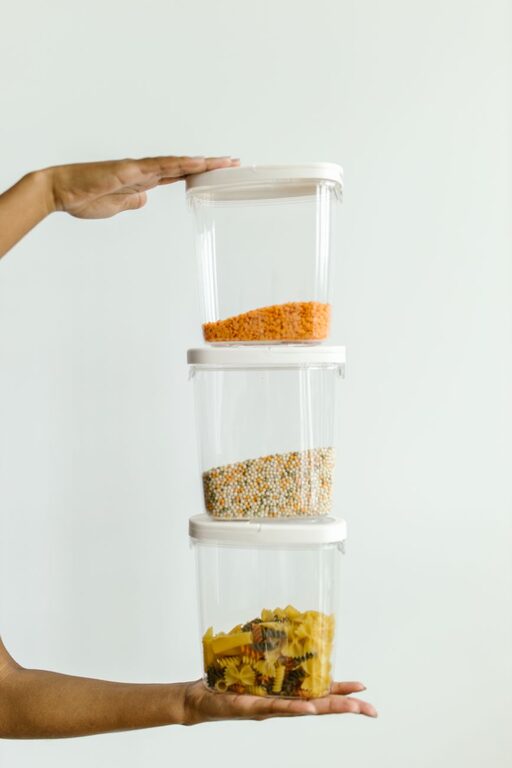
Planning meals from pantry staples is a fantastic way to simplify your cooking routine while reducing food waste and saving money. Your pantry is often stocked with versatile ingredients that can be transformed into a variety of tasty dishes with just a little creativity and planning. Whether you’re aiming to cook more efficiently, prepare for busy weeks, or avoid last-minute trips to the store, learning how to plan meals using pantry staples can be a game-changer.
In this post, we’ll walk you through practical steps to organize your pantry, identify staple ingredients, and plan meals that make the most of what you already have at home.
Why Plan Meals From Pantry Staples?
Before diving into the how-to, let’s look at why focusing on pantry staples is so helpful:
– Convenience: Pantry staples are non-perishable or long-lasting items, meaning you can keep them on hand for quick meal prep.
– Cost Savings: Using what you already have reduces the need for last-minute grocery trips and impulse purchases.
– Less Waste: By planning around pantry items, you ensure nothing goes unused and reduces food spoilage.
– Variety: Staples like beans, pasta, canned tomatoes, and spices can be combined in endless ways, preventing mealtime boredom.
Step 1: Take Stock of Your Pantry
Start by organizing and taking inventory of your pantry contents. This step helps you clearly see what you have and what might need to be used soon.
How to Inventory Your Pantry
– Empty the shelves: Pull everything out to get a full view.
– Group similar items: Arrange canned goods, grains, spices, baking supplies, and snacks into separate categories.
– Check expiration dates: Discard expired items or set aside those that need to be used quickly.
– Make a list: Write down everything you have, noting quantities. A written or digital list will make meal planning easier.
Step 2: Identify Your Pantry Staples
Pantry staples are ingredients you commonly use because of their versatility and long shelf life. Some popular staples include:
– Grains: Rice, pasta, quinoa, oats, couscous
– Canned goods: Beans (black, chickpeas, kidney), tomatoes (diced, crushed, paste), tuna, corn
– Baking essentials: Flour, sugar, baking powder, baking soda
– Oils and vinegars: Olive oil, vegetable oil, balsamic vinegar, apple cider vinegar
– Spices and herbs: Salt, pepper, garlic powder, paprika, dried oregano, cumin, cinnamon
– Broths and sauces: Chicken or vegetable broth, soy sauce, hot sauce
– Nut butters and nuts: Peanut butter, almonds, walnuts
Knowing these staples helps you brainstorm meals without needing to buy much else.
Step 3: Plan Your Meals Around Staples
Now that you know what’s in your pantry, use this information to plan meals. The goal is to combine pantry staples with fresh ingredients, if available, for balanced and flavorful dishes.
Tips for Meal Planning Using Pantry Staples
– Choose a base: Start with a grain or pasta as the meal’s foundation.
– Add protein: Look for canned beans, tuna, or peanut butter to include protein.
– Incorporate vegetables: Use fresh veggies if you have them, or canned/frozen vegetables as alternatives.
– Flavor with spices: Use your herbs and spices to add aroma and taste.
– Plan versatile meals: Think soups, stews, pasta dishes, stir-fries, casseroles, and salads.
Example Meal Ideas
– Chickpea and tomato stew: Use canned chickpeas, diced tomatoes, broth, and spices like cumin and paprika. Serve over rice or couscous.
– Pasta with garlic and oil: Cook pasta and toss it with olive oil, garlic powder, chili flakes, and canned corn.
– Bean salad: Mix canned beans, chopped fresh or canned veggies, olive oil, vinegar, salt, and pepper.
– Tuna and rice bowl: Combine canned tuna, cooked rice, soy sauce, and veggies for a quick bowl.
– Oatmeal with nuts and cinnamon: For breakfast or dessert, cook oats and top with nuts, cinnamon, and a drizzle of honey.
Step 4: Create a Weekly Plan
To make your meal planning manageable, design a simple weekly plan.
– Pick 3-5 meals: Depending on your household size and schedule.
– Assign meals to days: Consider your time availability (e.g., quicker meals on busy days).
– Make a shopping list: Include any fresh ingredients needed.
– Prep ahead: If possible, soak beans, cook grains, or chop veggies in advance.
Step 5: Keep Your Pantry Ready
Maintaining a well-stocked and organized pantry will make future meal planning easier.
– Restock staples regularly: Keep track of what runs out and replenish as needed.
– Rotate products: Use older items first to prevent waste.
– Label shelves or containers: Use clear labels for easy identification.
– Store items properly: Use airtight containers to extend shelf life.
Bonus: Useful Pantry Cooking Tips
– Use canned beans as a quick protein: Rinse canned beans to reduce sodium and add to salads or rice dishes.
– Cook large batches: Prepare grains or soups in bulk and refrigerate or freeze portions.
– Experiment with spices: Start with small amounts to find flavors you enjoy.
– Mix fresh and pantry: If you have fresh herbs or veggies, add them for brightness and nutrition.
Final Thoughts
Planning meals from pantry staples is a practical and creative approach to everyday cooking. With a little prep and smart shopping, your pantry can become the starting point for countless delicious meals. Not only will you save time and money, but you’ll also reduce food waste and feel confident in your kitchen.
Take some time this week to organize your pantry, create a meal plan, and enjoy stress-free cooking with what you already have on hand!